I’ve always been drawn to music that makes you feel it in your bones—the kind that doesn’t just play through speakers but fills the room, rattles the floor, and somehow reverberates in your chest. Part of that experience, I’ve learned over the years, depends as much on the equipment as on the music itself. That’s why discovering Marshall changed the way I listen, play, and even think about sound.
The story of Marshall starts in the 1960s, when Jim Marshall began building amplifiers in a small London shop. What began as a few simple units for local guitarists quickly evolved into a brand that defined rock and roll itself. Legends like Jimi Hendrix and Eric Clapton trusted Marshall to deliver the tone that would become iconic. Knowing this history makes owning or even just listening through one of their amps feel like participating in a lineage, a small thread in a tapestry of sound history.
My first encounter with a Marshall amp was at a friend’s house during a casual jam session. The moment he cranked it up, I understood what all the fuss was about. Every note felt alive, sharp where it needed to be, and warm enough to make even a simple chord progression sound cinematic. That evening wasn’t about performing or competing; it was about feeling the music fully. From that moment, I started paying closer attention to what made an amp not just functional, but memorable.
I eventually invested in one myself, and it has become a central piece in my daily life. Whether I’m practicing alone, experimenting with new sounds, or playing with friends, there’s a consistency and reliability that’s hard to overstate. The tactile controls, the responsive feedback, and the rich tonal range make it easy to lose track of time. On some evenings, I’ll find myself lingering in front of the amp, adjusting knobs just to explore subtleties in sound, discovering new textures I hadn’t noticed before.
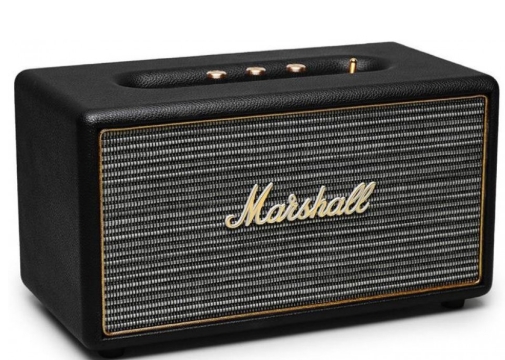
One of my favorite aspects is the design. There’s a vintage charm to every unit that feels intentional rather than retro for the sake of trendiness. The leather-like finishes, the clean dials, the iconic logo—they’re functional and aesthetically pleasing at the same time. Sitting in a room with a Marshall amp, it doesn’t just sound good, it looks like it belongs there, almost as if the room itself recognizes the presence of something special.
What I particularly love is how accessible the brand feels, despite its legendary status. You can explore smaller models at home, perfect for intimate settings, or go for the classic stage-sized ones for gigs and performances. Every option reflects the same commitment to sound quality. For anyone curious, the range available at marshall amps south africa provides a glimpse of that diversity, from compact practice units to full-fledged stage-ready equipment.
Over time, I’ve realized that Marshall isn’t just about amps—it’s about a mindset. The brand embodies a certain devotion to music, craftsmanship, and authenticity that resonates with anyone who’s serious about sound. Using it has influenced the way I approach playing, recording, and even listening. I find myself more attentive to dynamics, more willing to experiment, and more patient in pursuit of the perfect tone.
Even simple moments, like inviting a few friends over for an informal jam, feel elevated with a Marshall in the room. You don’t just play the notes; you feel them, and so does everyone else. That’s the quiet magic of the brand, rooted in decades of history and a clear philosophy: sound matters, and how you produce it matters too.